
Regrouting, resealing and waterproofing: what's the difference?
People use the three words as if they mean the same thing. They don't, and knowing the difference helps you ask for the right repair.
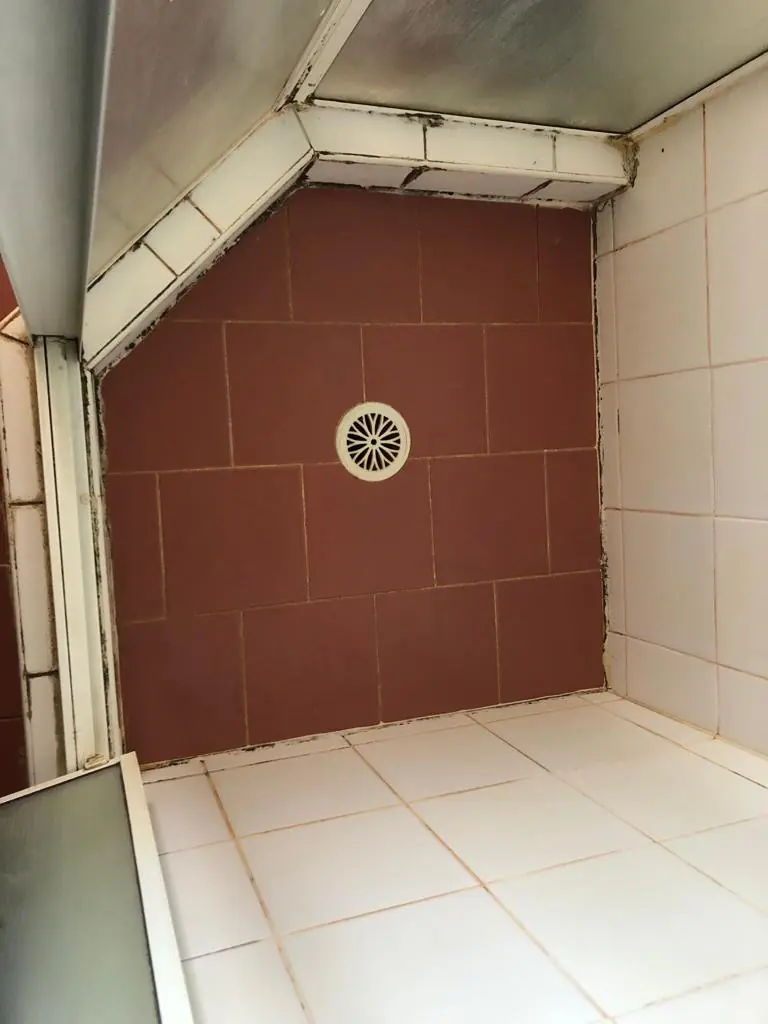
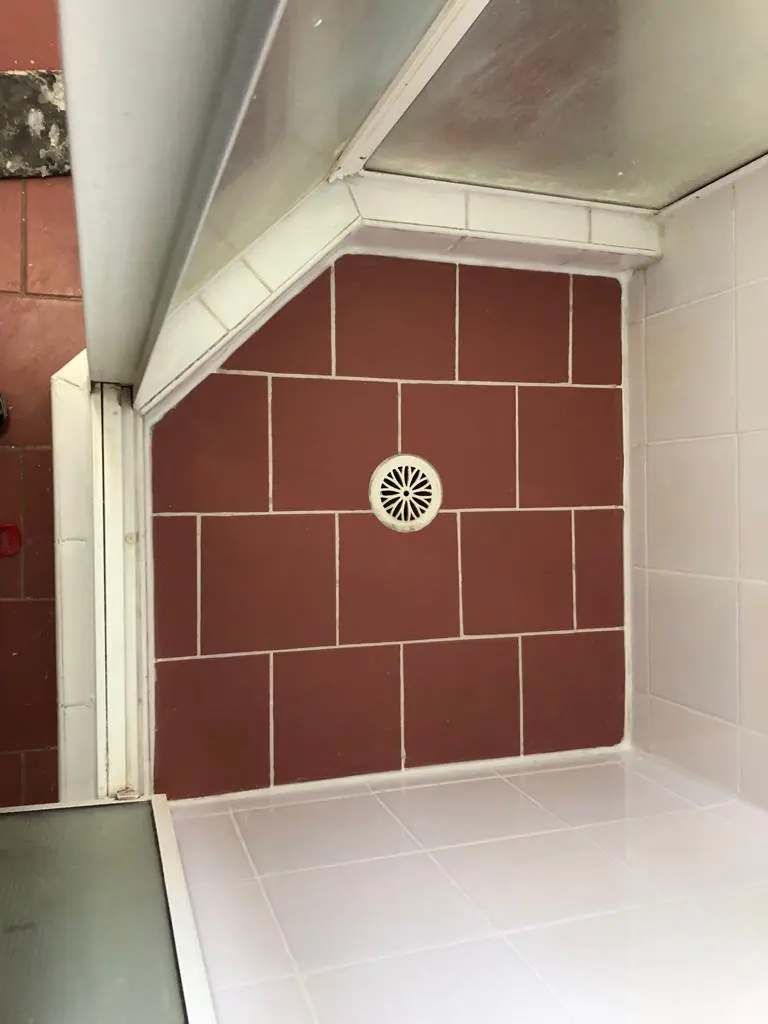
Why grout and silicone fail
Grout is rigid and slightly porous. Hot water, soap and cleaning products wear its surface, and small building movements crack it. Silicone is flexible, but over time it hardens, shrinks and lets go of the tiles. Early failure usually comes from:
- Grout used in corners where a flexible joint was needed
- Harsh acid or bleach cleaners used again and again
- Poor airflow keeping the shower wet
- Loose tiles or a floor that flexes
- Grout that was thin or poorly packed when it was laid
Regrouting
Cutting the old grout out of the joints and replacing it. You need it when grout is cracked, crumbling, missing or permanently stained. Grout belongs in the flat joints between tiles on the same surface.
Resealing
Replacing the flexible silicone at the corners, the floor-to-wall junction, the hob and the screen. The old silicone has to come out completely, because new silicone won't bond over old.
Sealing the grout
A penetrating sealer cuts down how much water the grout absorbs and helps it resist stains. It soaks into porous grout and unglazed surfaces, not into glazed tile faces. In a leaking shower it's part of the repair, not a cosmetic extra.
Which does your shower need?
Sound grout with failed corners may only need resealing. Failing grout needs regrouting, with the silicone replaced at the same time. If water is already getting under the tiles, you need all three: regrout, reseal and seal.
Where waterproofing fits in
The main waterproofing in a shower is the membrane laid under the tiles when it was built. Our repair stops water at the surface but doesn't replace that membrane. Replacing it means removing the tiles.
How to make it last
Open a window or run the fan after a shower, squeegee the walls, use pH-neutral cleaners and fix small splits in the silicone early.
Every property is different. This guide is general information, not a diagnosis of your leak. Book a free inspection for advice on yours.
Leaking shower or balcony?
We'll inspect it and quote for free, anywhere in Sydney. If the tiles are sound, we can usually stop the leak without lifting them. The sealing product we use carries a manufacturer's product warranty of up to 25 years, under the manufacturer's terms.