
Why is my shower leaking? Signs, causes and what to check
Water on the bathroom floor, under the vanity or through the ceiling below usually comes back to one of a handful of causes. Spot the signs early and work out which cause you're dealing with, and the repair is much simpler.
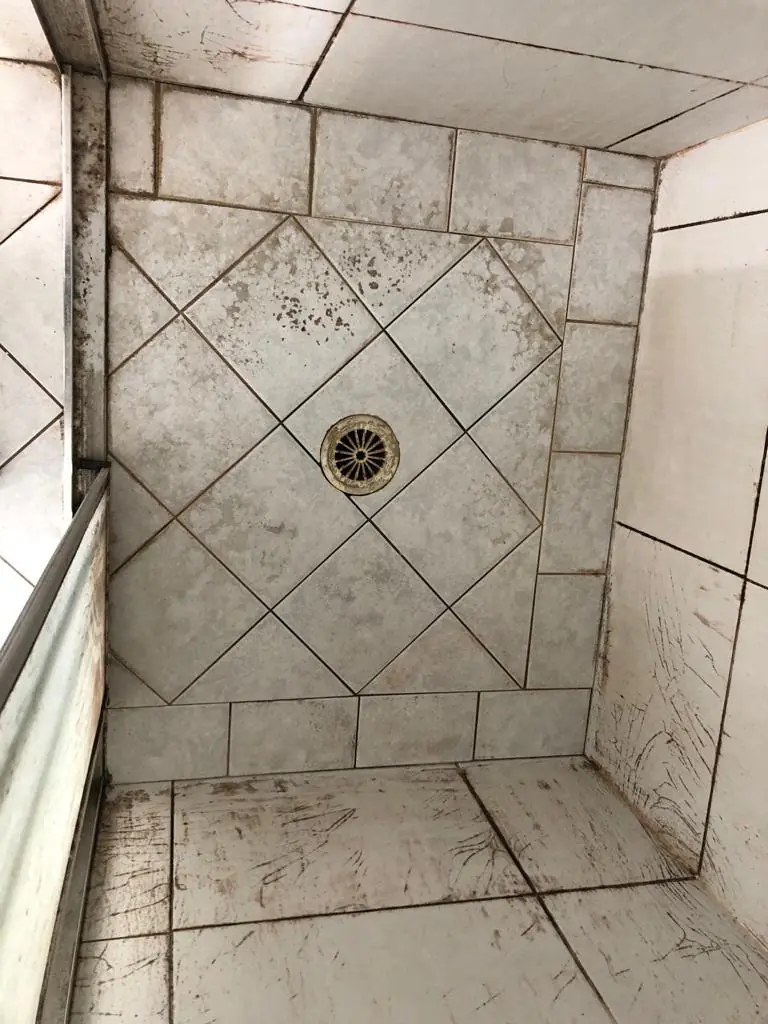
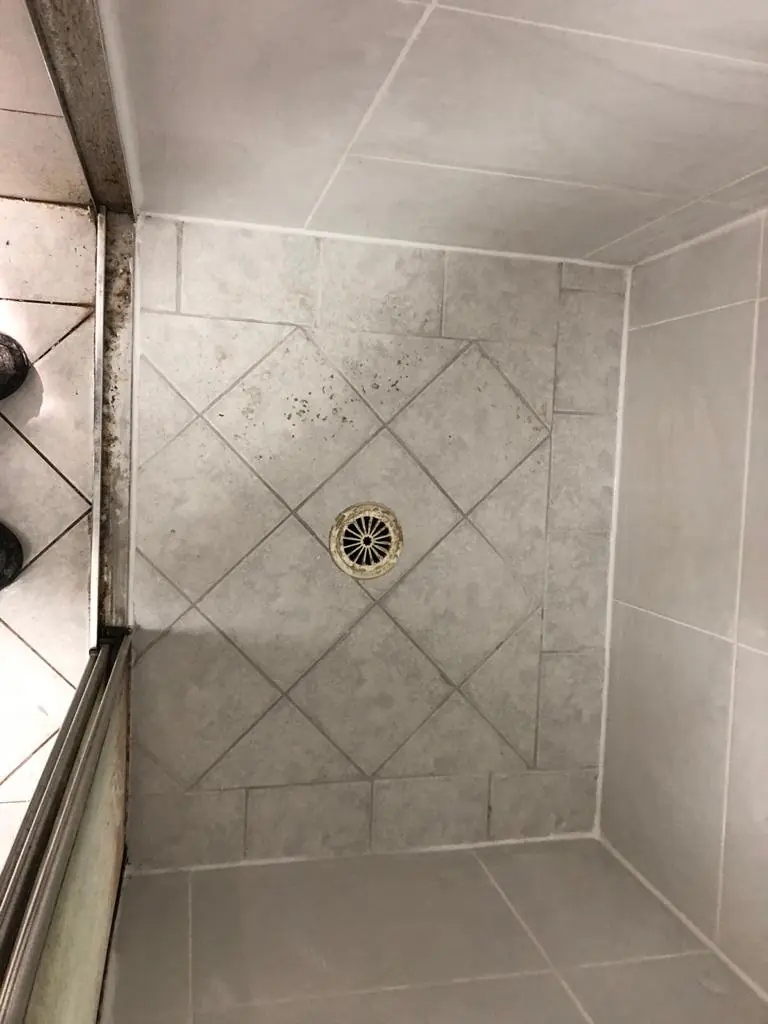
Signs your shower is leaking
- Mould that keeps coming back within days of cleaning. That suggests moisture behind the surface.
- Cracked, soft or missing grout, especially in the lowest rows and on the floor
- Silicone pulling away at the corners, floor junction or screen
- Tiles that sound hollow when you tap them. The adhesive may have let go.
- Damage outside the shower: swollen skirting, flaking paint or a swollen door frame or vanity kicker
- Stains on the ceiling below in two-storey homes and apartments
- A musty smell that stays even with good airflow
- Water at the edges of the floor, well away from the screen
The 7 common causes
1. Cracked or worn grout
Grout is cement-based and slightly porous. Hot water, cleaning products and movement crack and wear it, and water passes through into the bed under the tiles.
2. Failed silicone at corners and junctions
Corners, the floor-to-wall junction, the hob and the screen line all move, so they need flexible silicone. When it hardens or splits, water runs straight behind it.
3. Leaks around the floor waste
If the seal around the waste has failed, water escapes into the screed. Staining that starts in the middle of the floor, or drips straight below the waste, can point here.
4. Plumbing in the wall
A leaking tap body, mixer or pipe makes water whether or not you shower, or only when one tap runs. That's a plumber's job. Regrouting won't fix a pipe.
5. Loose or cracked tiles
Hollow or cracked tiles let water in more easily and can mean the bed is already wet.
6. A failed or missing membrane
If the membrane under the tiles was badly installed, damaged or has worn out, water that gets through the surface isn't contained.
7. Building movement
Settlement can crack tiles, grout and junctions, mostly in older buildings and upper-floor apartments.
How to narrow it down at home
Note when the water appears: only after a shower, all the time or only when one tap runs. Photograph any cracked or mouldy grout and silicone, tap the floor tiles and photograph where the water shows up. Water all the time points to plumbing. Water only after a shower points to the shower itself.
What happens next
If the signs point to grout, silicone or joints, a leaking shower can usually be fixed without removing tiles. If they point to a pipe, call a plumber first. If the membrane has failed across a large area, a strip-out may be the right answer, and we'll tell you so.
Every property is different. This guide is general information, not a diagnosis of your leak. Book a free inspection for advice on yours.
Leaking shower or balcony?
We'll inspect it and quote for free, anywhere in Sydney. If the tiles are sound, we can usually stop the leak without lifting them. The sealing product we use carries a manufacturer's product warranty of up to 25 years, under the manufacturer's terms.